
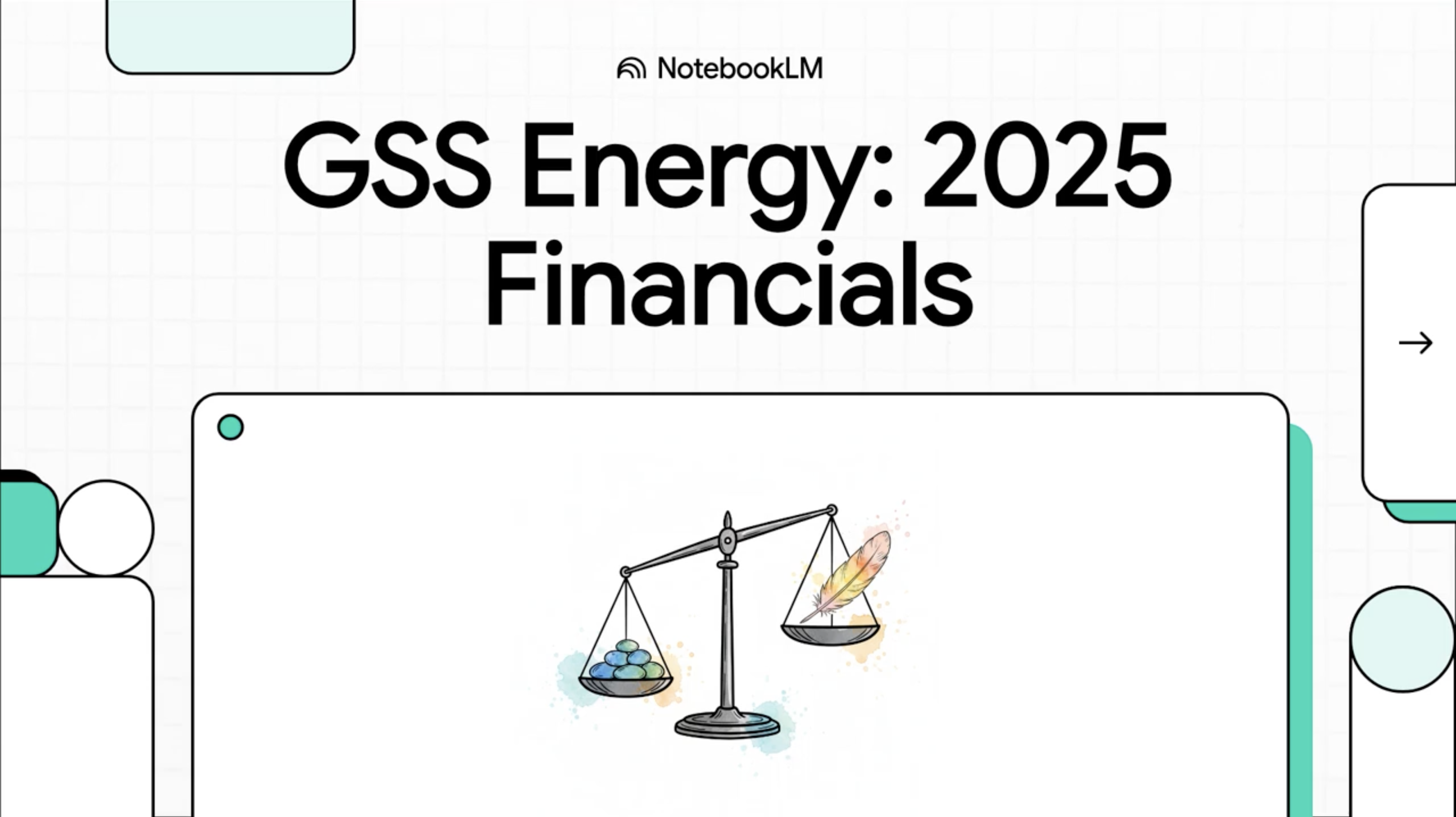

The Illusion of Performance
In industrial manufacturing, a 58.66% year-on-year revenue surge is typically the hallmark of a breakout success. For GSS Energy, the fiscal year ending December 31, 2025, saw turnover catapult to S158.47 million, yet this top-line heroics ended in a sobering net loss of S7.85 million.
The results reveal a company in the midst of a violent, high-stakes metamorphosis. While its legacy precision engineering roots remain a stable foundation, GSS is aggressively pivoting toward the frontiers of renewable energy and electric vehicles (EV).
It is a classic “growth paradox”: the company is busier than ever, yet the sheer friction of its strategic pivot is consuming its margins and obscuring its underlying operational recovery.
The Energy Storage “Gold Mine”
The primary engine of this revenue explosion was the “Mechanisms” segment, which has successfully repositioned itself as a provider for global renewable energy infrastructure. The most startling indicator of this shift is the Group’s entry into the United States market, where revenue jumped from zero in 2024 to S$63.94 million in 2025.
However, the real story lies in the nature of this revenue. GSS is no longer just a manufacturer of parts; it is becoming a service provider. “Services rendered” within the Mechanisms segment exploded from just S8.23 million in 2024 to S63.44 million in 2025. This pivot toward high-value assembly and solution contracts represents a fundamental shift in the Group’s industrial identity.
“This increase is primarily due to strong demand from our newly acquired customer in the energy storage sector while the Group’s products under its existing PE business remains resilient.”
By securing a foothold in US-based energy storage infrastructure, GSS has demonstrated it can compete at scale. Yet, this success brings a new risk: a heavy concentration on high-volume, service-heavy contracts that demand flawless execution.
The High Price of “Scaling Up”
While the sales trajectory is steep, the factory floor is facing a harsh reality. Gross margins contracted from 8.45% to 7.42% in 2025, revealing the “invisible” costs of rapid industrial scaling.
For an equity analyst, the red flag is the negative operating leverage: Cost of Sales grew by 60.44%, outstripping revenue growth of 58.66%. Management cited a cocktail of inflationary pressures—rising costs for components, manpower, electricity, and water—across its regional production facilities.
In this economic climate, top-line gains are being swallowed by the rising floor of manufacturing overhead. Scaling up has not yet translated into profitability, as the Group has yet to reach the efficiency required to outrun its expanding cost base.
The EV Reality Check—Impairments and Milestones
The Group’s foray into the Electric Vehicle (EV) segment remains its most volatile endeavor, characterized by a sharp contrast between operational milestones and accounting gravity.
Operationally, the Group achieved a critical “proof of concept” by delivering its first battery pack order to an established mobility group for validation. However, the balance sheet tells a different story: the Group recognized a S$4.00 million impairment on EV assets following a review of their recoverable amounts.
Crucially, these impairments are non-cash charges that mask a sign of operational life. While the Group reported a S7.85 million net loss, it actually achieved a positive unadjusted EBITDA of S0.67 million. When stripped of non-recurring impairment losses, “Adjusted EBITDA” stands at S$4.67 million.
This suggests that while the EV segment is a high-stakes accounting burden today, the core business is finally beginning to generate cash before interest and depreciation take their toll.
The Strategic Debt Diet
Amid the reported losses, GSS Energy has been executing a radical and necessary “house cleaning” of its balance sheet. Total loans and borrowings plummeted from S17.43 million to just S5.49 million—a massive reduction of S$11.94 million.
This was largely facilitated by a Rights Issue completed in January 2025, which raised S5.47 million in net proceeds. But the cash didn’t just come from shareholders; it came from improved management. The Group recorded a net operating cash inflow of S7.39 million, driven by “effective working capital management” and a S$5.09 million reduction in inventory levels.
By shedding debt and optimizing inventory, GSS has reduced its annual finance costs from S2.04 million to S0.69 million. This move toward a leaner financial structure is a defensive necessity during a loss-making pivot.
The “Disputed” Millions
Adding legal complexity to the narrative is a significant dispute involving three trading deals. These transactions involve S5.51 million in receivables and an equivalent S5.51 million in payables that are currently contested.
While the subsidiary involved has denied the claims and engaged legal counsel, these “contingent liabilities” create a shadow over the Group’s receivables management. In a year where every dollar of cash flow was fought for, having S$5.51 million locked in legal limbo creates a lingering uncertainty for investors.
Conclusion: The Pivot’s Final Frontier
GSS Energy’s 2025 results depict a company in a state of violent motion. Its Precision Engineering core remains resilient, the Energy Storage business is providing the fuel for growth, and the EV segment remains a high-potential, high-cost gamble. Meanwhile, the legacy Oil & Gas project in Trembul remains in a state of terminal appeal.
As GSS moves forward, the fundamental question for the market is one of valuation: Is a company’s value defined by the massive revenue it can generate today, or the debt it can shed while building for tomorrow?
The 58% growth confirms that GSS has found the right markets. The S$7.85 million loss confirms it has not yet mastered the cost of dominating them.
Related stories: Avarga Said Goodbye To Its Paper Mill In FY2025