
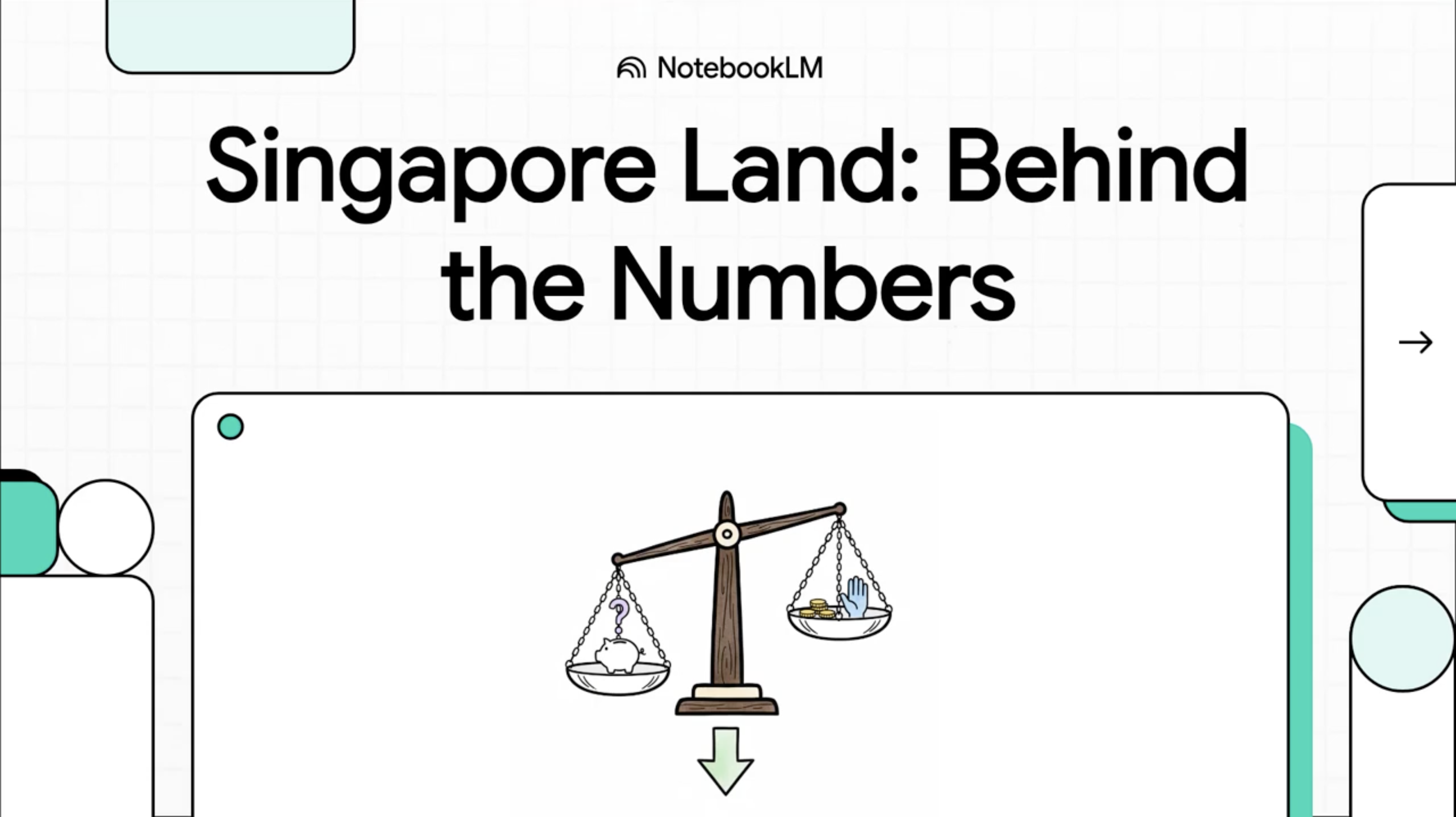
 FY2025 results present a riddle. Headline net profit attributable to equity holders (PATMI) slipped 4% to S$272.3 million, a figure that might suggest a stutter in an otherwise robust recovery. However, peer beneath the statutory surface and the narrative shifts dramatically.)
To the casual observer, Singapore Land Group Limited’s (SingLand) FY2025 results present a riddle. Headline net profit attributable to equity holders (PATMI) slipped 4% to S$272.3 million, a figure that might suggest a stutter in an otherwise robust recovery. However, peer beneath the statutory surface and the narrative shifts dramatically.
The “clean” operational engine is actually grinding harder than the top-line figures suggest. While total profit dipped, the Group’s PATMI before fair value and other gains surged 16% to S$242.8 million. This double-digit jump in core earnings signals that SingLand’s fundamental business—leasing, hospitality, and technology—is successfully outrunning the macro-headwinds of a high-interest-rate environment and non-cash valuation adjustments.
SingLand is currently executing a sophisticated high-grading of its portfolio. By pivoting from the volatility of direct residential development toward premium, recurring-income commercial assets, management is effectively future-proofing the balance sheet. This isn’t just a story of survival; it’s a masterclass in strategic rebalancing.
The “Core” Surge vs. The Bottom Line
The divergence between SingLand’s statutory profit and its core performance is the defining theme of FY2025. The 4% drop in PATMI was primarily a function of moderated fair value gains on investment properties—accounting adjustments that reflect market sentiment rather than cash flow reality.
In contrast, the 16% rise in “clean” PATMI reflects an underlying operational strength. This growth is particularly impressive when viewed against the backdrop of finance expenses, which climbed 23% to S$21.2 million. The fact that core growth significantly outpaced the rising cost of debt is a testament to the Group’s improved yield and asset management.
“With the aforesaid, net profit attributable to equity holders (“PATMI”) before fair value and other gains/(losses) increased by $33.2 million (16%) to $242.9 million.”
Management’s confidence in this cash-flow trajectory is underscored by its dividend policy. The Board has recommended a final dividend of 4.5 cents per share, maintaining the payout from the previous year despite the dip in statutory profit—a clear signal that the Group views its current earnings quality as superior.
Sydney’s 388 George Street: The International Game-Changer
A major catalyst for this operational outperformance was the Group’s strategic foray into the Australian market. Property investment revenue skyrocketed 22% to S$333.2 million, largely powered by the acquisition of a 50% tenant-in-common interest in 388 George Street, Sydney. This Grade A asset began contributing in January 2025, providing a timely international hedge and validating the “flight-to-quality” strategy in gateway cities.
Key Contributing Assets in FY2025:
- 388 George Street (Sydney): Immediate revenue accretion following the January 2025 acquisition.
- Singapore Land Tower: Significant performance uplift following the completion of asset enhancement initiatives (AEI).
- Marina Square & West Mall: Robust retail and commercial contributions within the Singapore core.
The Tech Segment as a Stealth Driver
While SingLand is primarily viewed through a real estate lens, its Technology Operations segment is proving to be a potent “stealth driver.” Segment revenue grew 8% to S121.8 million, but the real story lies in the bottom line: segment profit jumped 14% to S14.1 million, up from S$12.35 million in the prior year.
This growth was fueled by heightened demand for computer hardware and software solutions, alongside superior renewal rates for maintenance services in the commercial sector. For investors, this segment provides a high-activity, diversified revenue stream that counterbalances the longer capital cycles of the property market.
Strategic Pivot: The Move to Associate-Led Development
At first glance, the 71% collapse in property development revenue—falling to just S$4.3 million—appears alarming. However, this is a calculated transition. The decline reflects the full recognition of profits from older projects like The Watergardens at Canberra (which reached TOP in late 2024) and a lack of new direct-sale inventory.
The “real” development story is happening in the share of results from associates, which surged 39% to S$44.8 million. This proves that SingLand is successfully pivoting its development exposure through joint ventures and associates. High-profile projects such as Watten House, Mandarin Oriental Hotel, and Skye at Holland are now the primary engines of this segment, allowing the Group to participate in high-value projects while sharing risk and capital requirements.
Strategic Liquidity Management
Analysts may point to the Group’s “net current liability” position, with current liabilities (S423.4 million) exceeding current assets (S355.4 million). In the context of SingLand, this is a sign of flexible capital management rather than financial distress.
The position is almost entirely due to S160.7 million in revolving credit facilities maturing within the year. SingLand’s liquidity profile remains ironclad; as of December 31, 2025, the Group maintains over S1.9 billion in unutilised credit facilities. The plan is to re-finance these maturing facilities using existing lines, a move that allows management to remain nimble in a volatile interest rate environment without locking into expensive, rigid long-term debt.
Conclusion: Resilient Rebuilding
SingLand heads into 2026 with a portfolio that is increasingly high-spec and globally diversified. Management anticipates continued resilience in the Singapore office market, driven by a persistent “flight-to-quality” trend. As multinational firms and wealth management offices seek out modern, ESG-compliant Grade A spaces, SingLand’s redeveloped assets like Singapore Land Tower and the new Clifford Centre are positioned at the very top of the demand curve.
Is SingLand’s aggressive shift toward high-spec, recurring-income commercial spaces the definitive blueprint for real estate survival? By prioritising operational earnings and ESG-compliant quality over statutory noise, the Group is building a resilient core that is increasingly detached from the volatility of the global economy. For the sophisticated investor, the 16% surge in core profit is the only number that truly matters.
Related stories: Sing Holdings Bags Over 1000% Profit In FY2025